Insulation Piercing Connector (IPC): Selection and Installation Guide for ABC Cable
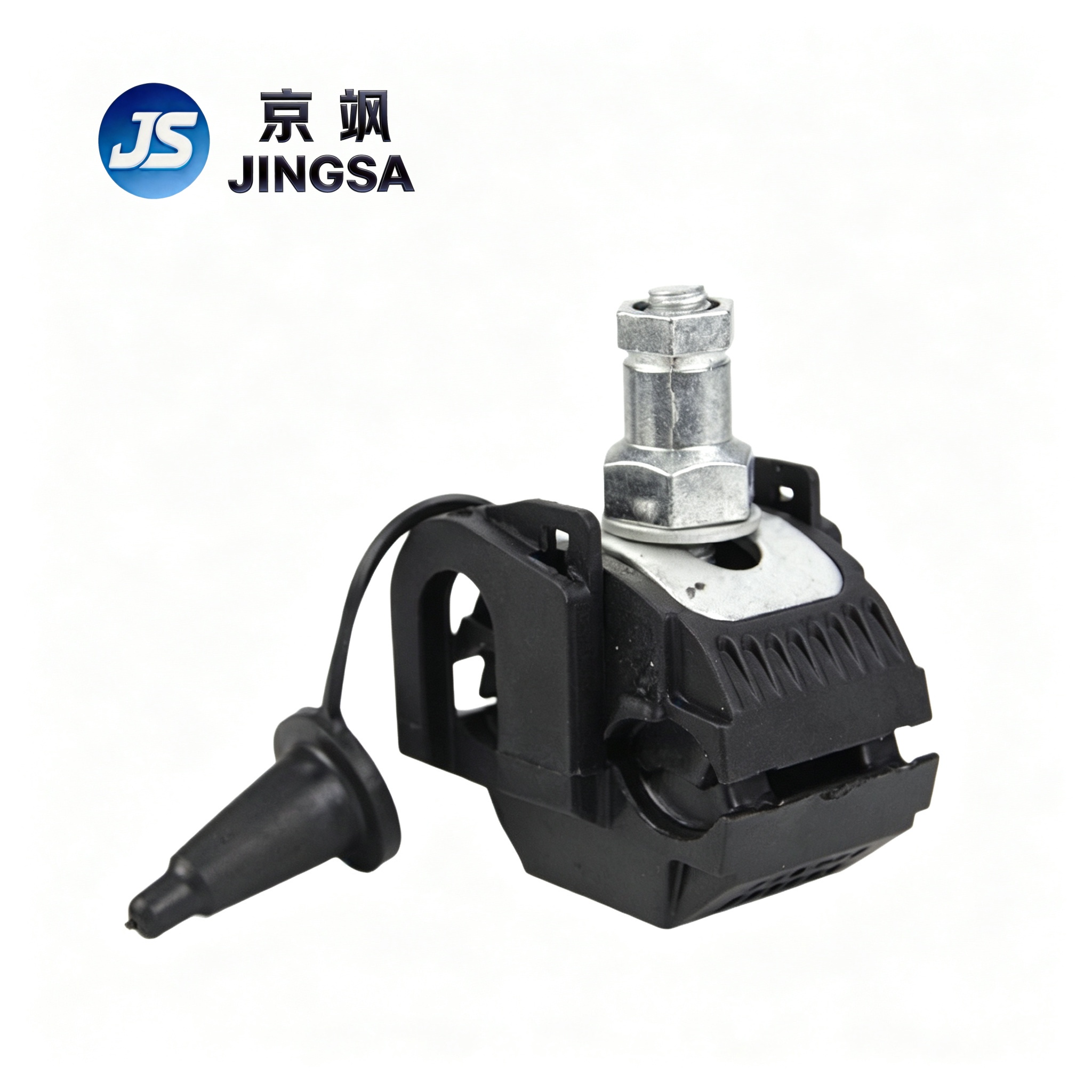
An Insulation Piercing Connector (IPC), also known as an IPC clamp or insulation piercing clamp, is an important fitting for making branch connections on overhead insulated conductors and aerial bundled cable (ABC cable).
Instead of stripping the cable insulation before connection, an IPC clamp uses a piercing contact structure to establish an electrical connection between the main conductor and the branch conductor. This helps simplify branch installation and can reduce the risk of conductor or insulation damage caused by improper manual stripping.
IPC connectors are commonly used in low-voltage overhead distribution, street lighting circuits, building service connections and outdoor power distribution projects.
What Is an Insulation Piercing Connector?
An insulation piercing connector creates an electrical connection by applying controlled mechanical pressure through a bolt and clamping structure. The internal conductive teeth pierce the cable insulation and contact the conductor, while the insulated housing and sealing components help protect the connection area from external conditions.
An IPC clamp is commonly used for:
Main-to-branch connections on overhead insulated conductors
Branch connections on aerial bundled cable systems
Street lighting service connections
Low-voltage building service lines
Outdoor distribution line extension and renovation projects
Other applications that match the selected model and project specification
Main Components of an IPC Clamp
An insulation piercing connector typically includes several functional components.
Insulating Body
The insulating body is commonly made from weather-resistant engineering plastic. It provides electrical insulation and helps protect the connection area from outdoor exposure. Material type and environmental performance should be confirmed according to the selected model.
Conductive Piercing Teeth
The conductive teeth are the key contact components inside the connector. During tightening, they pierce the insulation layer and contact the conductor. A properly designed contact structure helps create a stable electrical path between the main line and the branch line.
Bolts and Clamping Mechanism
The bolt assembly provides the pressure required to secure the conductors and maintain the electrical connection. Some IPC clamp models use shear-head bolts, which are designed to break away at a specified torque to support more consistent installation.
Sealing Components and End Caps
Certain models may include sealing elements or end caps to improve protection at the connection point or cable end. The configuration and protection performance should always be verified against the product specification.
Key Benefits of Insulation Piercing Connectors
Compared with conventional stripping and connection methods, IPC clamps offer several practical benefits:
No pre-stripping of cable insulation is required
Reduced risk of damage caused by improper stripping
Compact design for overhead lines and limited installation spaces
Convenient main-to-branch connection for low-voltage distribution
Suitable for common ABC cable and insulated conductor applications
Torque-control designs are available on selected models to improve installation consistency
The applicable conductor range, voltage rating, mechanical performance and environmental protection level must be confirmed according to the individual IPC model, test requirements and project specification.
How to Select the Right IPC Clamp
Before requesting a quotation or placing an order, please confirm:
Main conductor and branch conductor cross-sectional area
Conductor material: aluminum, copper or aluminum alloy
Cable type: overhead insulated conductor or aerial bundled cable
Rated voltage and project standard
Installation environment, such as high UV exposure, coastal conditions, humidity or industrial pollution
Required bolt type, end cap or connection configuration
Required quantity, packaging requirement and customization needs
Sending cable photos, product samples, drawings or model numbers helps ensure accurate IPC clamp selection.
IPC Clamp Installation Guidance
Before installation, ensure that the circuit is isolated or that work is carried out by qualified personnel in accordance with applicable local safety rules and project procedures.
Confirm that the conductor sizes are within the clamp’s specified range. Position the main conductor and branch conductor in the correct cable grooves, then tighten the bolt evenly using the appropriate tool.
For models with shear-head bolts, complete the torque-control procedure according to the product instructions. After installation, check cable positioning, clamp closure, connection protection and overall line routing.
Important distribution lines should be included in a regular inspection and maintenance plan.
IPC Clamp Solutions from Jingsa Power
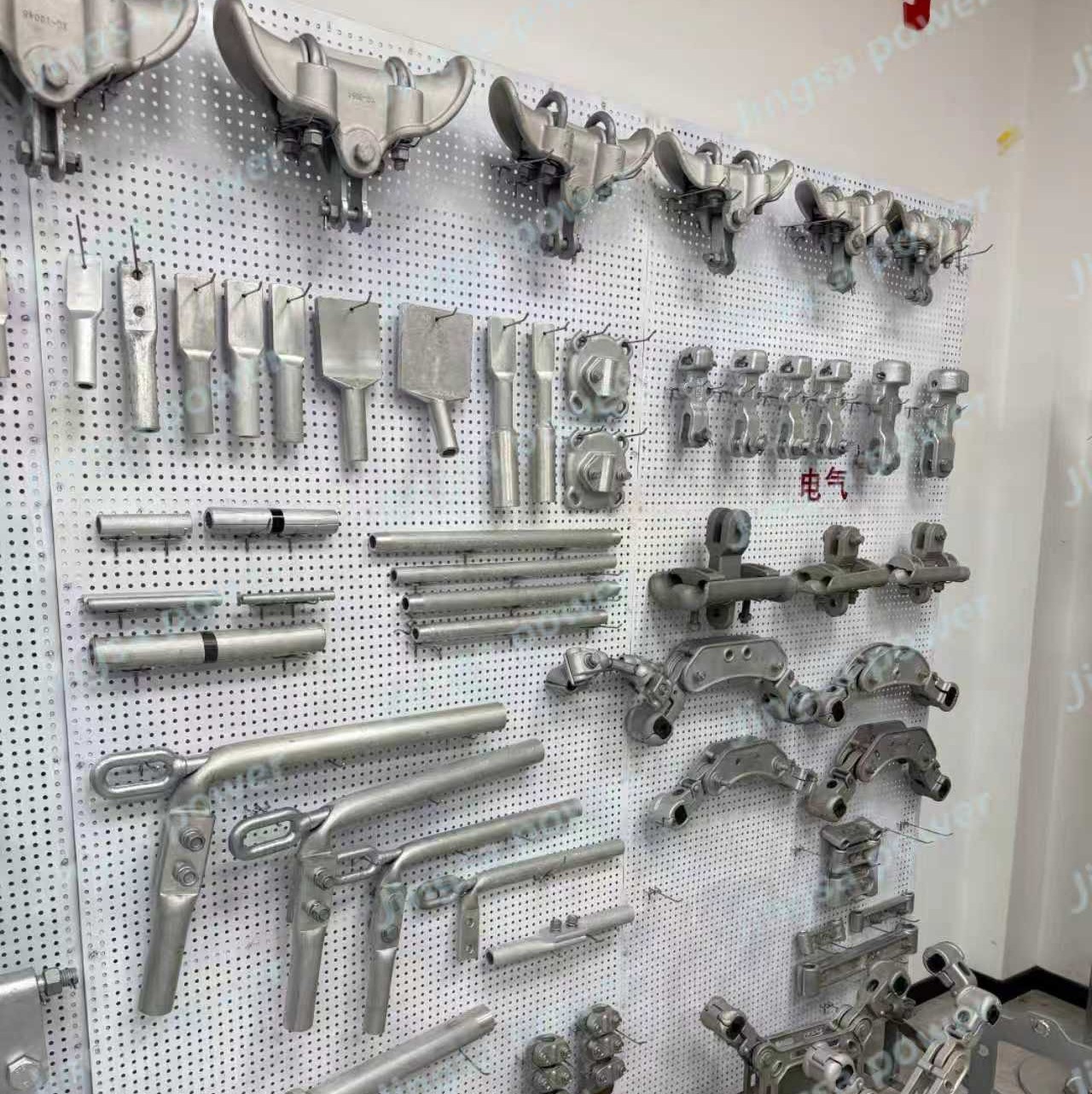
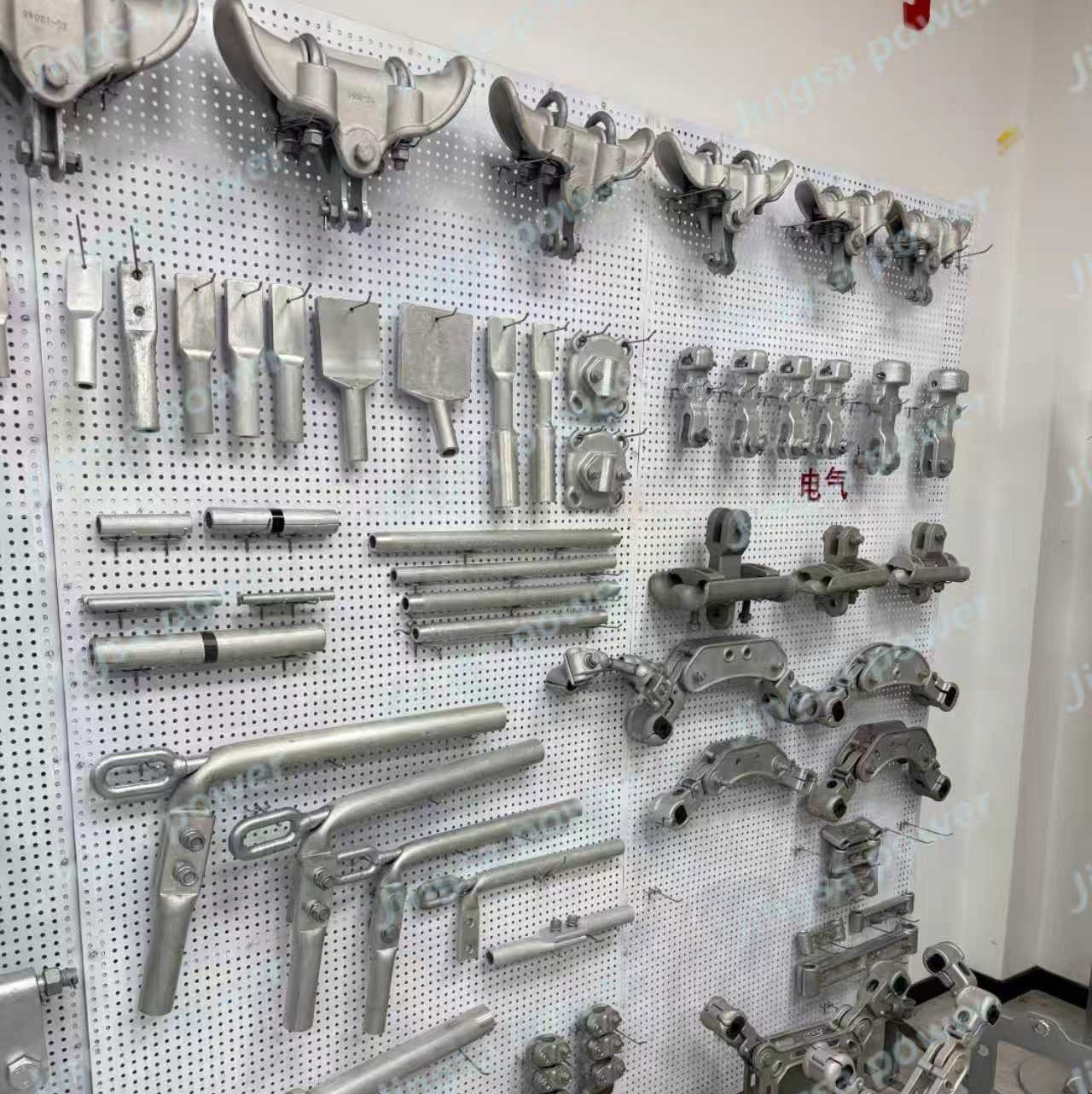
Jingsa Power supplies overhead line fittings, insulation piercing connectors, connecting fittings, tension clamps and related power distribution accessories. We support product matching based on conductor specifications, samples, drawings and project requirements.
For IPC clamp selection and quotation, please send us your main conductor size, branch conductor size, conductor material, cable type, installation environment and required quantity. Our team will help you identify a suitable model for your project.
Recent Articles