7 Common Fiberglass Cable Rod Problems and Practical Solutions
7 Common Fiberglass Cable Rod Problems and Practical Solutions
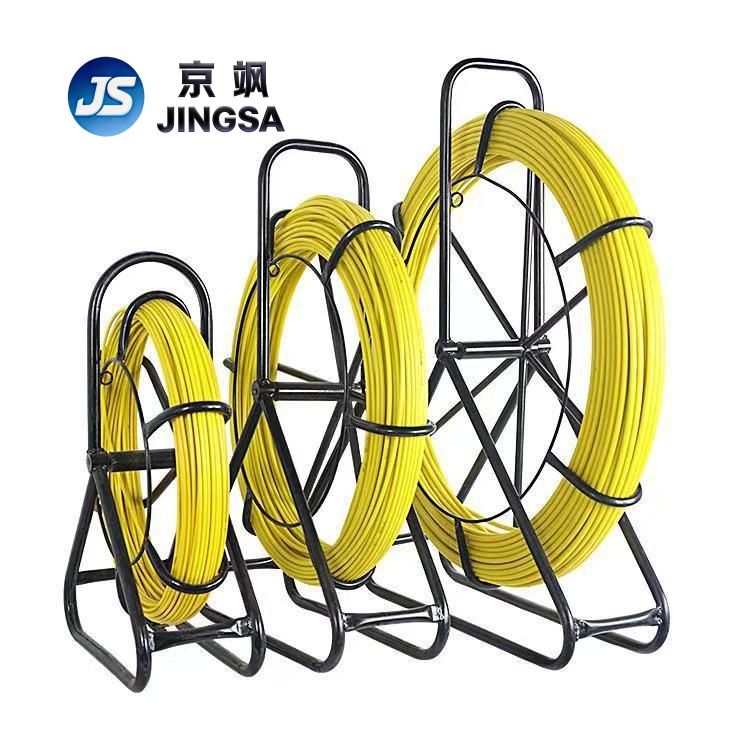
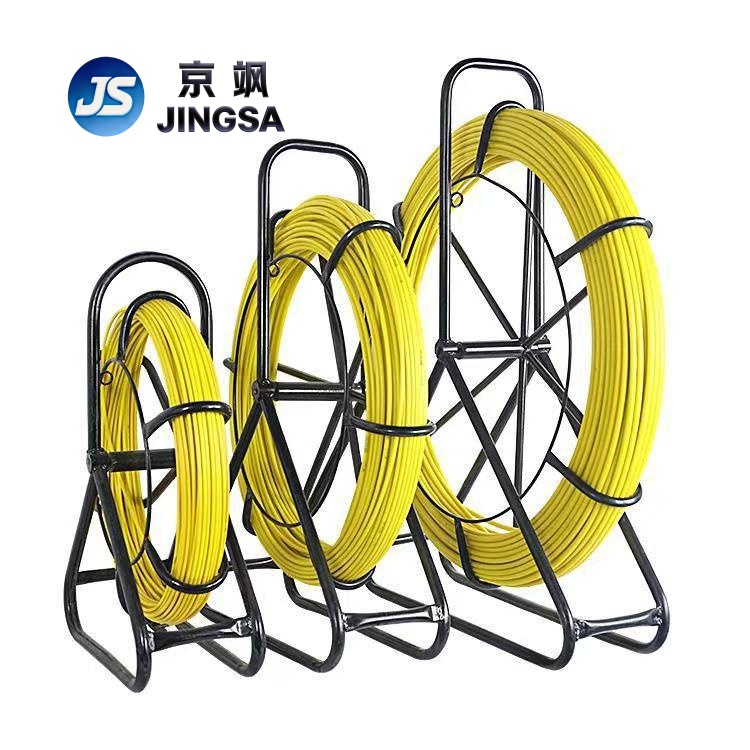
Fiberglass cable rods, also known as duct rodders or cable pulling rods, are widely used in power, telecommunications and fiber optic cable installation projects. Their lightweight construction, corrosion resistance and insulating properties make them practical tools for guiding cables through conduits, ducts and underground pipe routes.
However, the performance and service life of a fiberglass cable rod depend not only on product quality, but also on correct model selection, proper operation and routine maintenance. Improper use can lead to rod jamming, surface damage, guide head failure or even operator injury.
This guide explains seven common fiberglass cable rod problems and practical solutions for safer and more efficient cable pulling operations.
1. Cable Rod Gets Stuck Inside the Conduit
A common problem during conduit cable pulling is a sudden increase in pushing resistance. In some cases, the cable rod may stop completely and cannot move forward.
Possible causes include foreign objects inside the conduit, sharp bends, misaligned joints, sudden changes in duct diameter, an oversized rod diameter or excessive dry friction.
Before cable pulling, clean the conduit with compressed air, a duct cleaning sponge or another suitable cleaning method. Select a fiberglass cable rod with the correct diameter and flexibility according to the conduit size and bending conditions.
If resistance occurs, do not force the rod forward. Try to identify the obstruction and, where possible, apply controlled force from both ends of the route. A suitable cable pulling lubricant can also reduce friction and improve passage through long or complex conduits.
2. Rod Breakage or Surface Resin Peeling
Fiberglass cable rod breakage or surface peeling can occur when the rod is overloaded, repeatedly forced through obstructions or stored in unsuitable conditions. Long-term UV exposure, moisture, low temperatures and poor maintenance can also accelerate material aging.
When significant resistance is felt, stop the operation and inspect the route instead of pushing forcefully. Before each use, check the rod body for whitening, cracks, exposed fibers or damaged resin coating.
Store the duct rodder in a dry, cool location and avoid long-term direct sunlight, standing water or heavy compression. In cold conditions, operate at a lower speed and avoid sudden impacts or sharp bending.
3. Guide Head Detachment or Loose Connection
The guide head is a critical component of a cable pulling rod. If it becomes loose or detaches inside a conduit, the rod may become difficult to recover and the cable pulling operation may be interrupted.
Common causes include worn threads, insufficiently secured connections, excessive pulling force and unsuitable cable connection methods.
Use a guide head with a secure threaded or fixed connection design. Before each operation, inspect the guide head for looseness, thread wear or deformation. When connecting the cable, use suitable pulling accessories or secure double fastening methods to help prevent accidental separation.
4. Surface Burrs Damaging Cable Sheaths
A damaged fiberglass cable rod surface may develop burrs, rough sections or exposed fibers. During cable pulling, these defects can scratch the outer sheath of power cables or fiber optic cables.
Surface damage is often caused by repeated friction inside rough conduits, overloading or failure to remove hard particles after use.
Before operation, inspect the rod surface by running a clean cloth along its length. For minor surface roughness, smooth the affected area carefully with fine sandpaper in the direction of the rod. If the surface has extensive fiber exposure, major resin peeling or deep damage, the rod should be removed from service and replaced.
5. Kickback Injuries Caused by Stored Elastic Energy
When a cable rod is bent inside a conduit, it can store elastic energy. If the rod suddenly releases, slips or breaks, it may recoil and cause injury.
Operators should never stand directly in front of the conduit opening or along the cable rod’s extension line. Maintain a stable position to the side of the opening, and push or retract the rod at a controlled and even speed.
Avoid sudden pulling, jerking or forced pushing. Protective gloves and safety glasses should be used during cable pulling operations, especially on routes with bends, high resistance or uncertain internal conditions.
6. Reduced Insulation Performance from Moisture or Contamination
Although fiberglass cable rods are valued for their insulating properties, surface contamination and moisture may affect insulation performance in certain working environments.
Conductive dust, metal particles, oil, salt spray and high humidity can create risks if the rod surface is not properly cleaned and maintained.
Before use, wipe the rod with a clean, dry cloth to remove dust and oil. For applications involving high-voltage cable routes, insulation resistance testing should be carried out when required by the project safety procedure. After work in high-humidity or salt-spray environments, clean and dry the rod before storage.
7. Permanent Bending After Long-Term Coiled Storage
Long-term storage on an undersized reel may cause a fiberglass cable rod to retain a curved shape. This can affect pushing performance and make conduit work more difficult.
Use a suitable reel or frame to store the rod and avoid excessive bending. Follow the minimum bending diameter specified for the selected model. Before using a cable rod that has been stored for a long period, allow it to rest and naturally extend before operation.
The storage area should be flat, dry and cool, with no heavy objects pressing on the reel or rod body.
Improve Safety and Service Life Through Proper Tool Management
Most fiberglass cable rod problems are related to three factors: unsuitable selection, incorrect operation and inadequate maintenance. A simple pre-use inspection, correct pushing method and proper storage routine can prevent many common failures.
Fiberglass cable rods should be treated as professional cable pulling tools for long-term engineering use, rather than disposable consumables. Proper lifecycle management helps improve cable installation efficiency, protect cable sheaths and enhance construction safety.
Jingsa Power supplies cable pulling tools for power and communication cable installation projects. To receive a suitable fiberglass cable rod recommendation, please send us your required rod length, rod diameter, conduit inner diameter, route conditions and estimated order quantity.
Contact Jingsa Power for product specifications, OEM support and quotation.
Recent Articles