One-stop supplier of power fittings & T&D equipment – reliable products & custom solutions.
18/06/2026
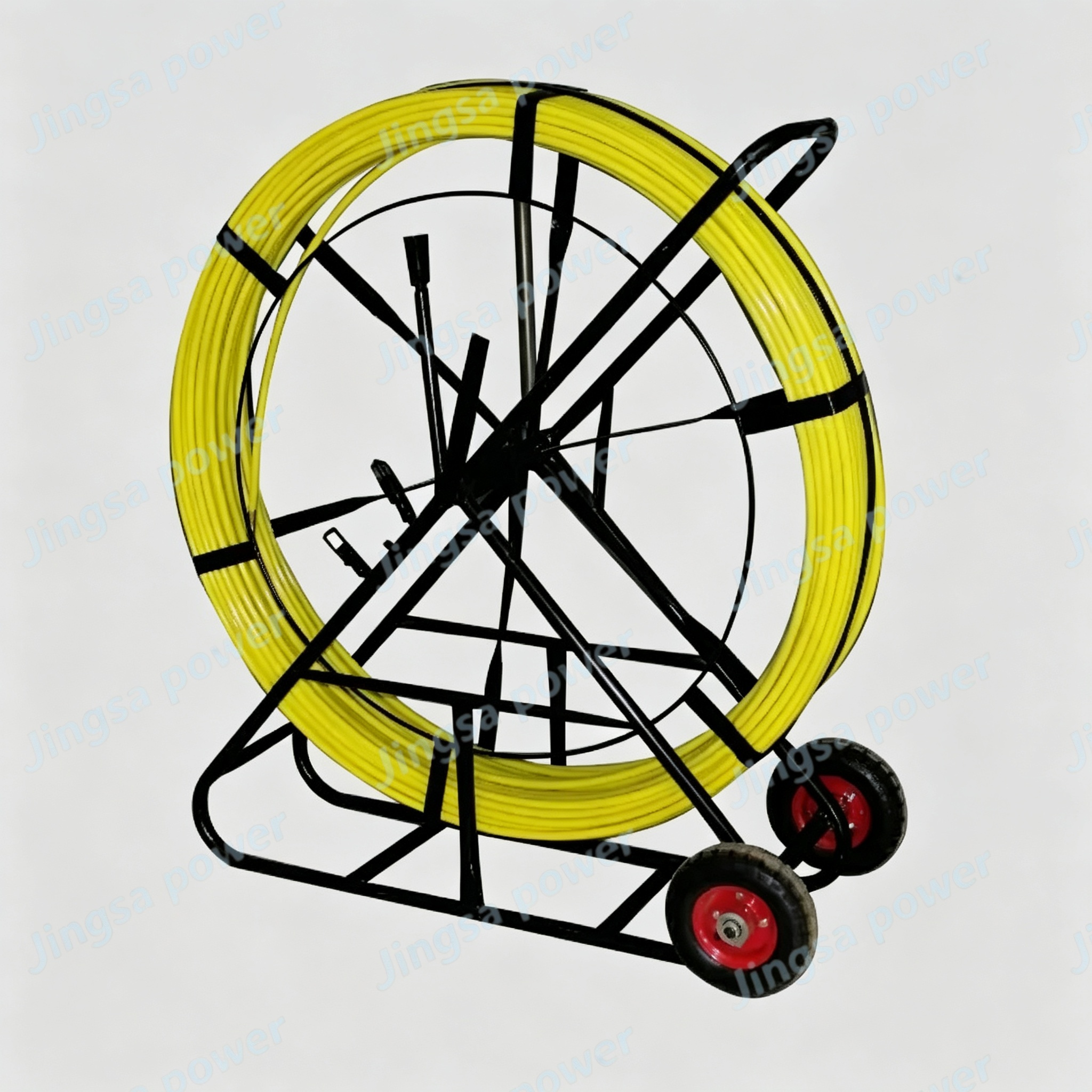
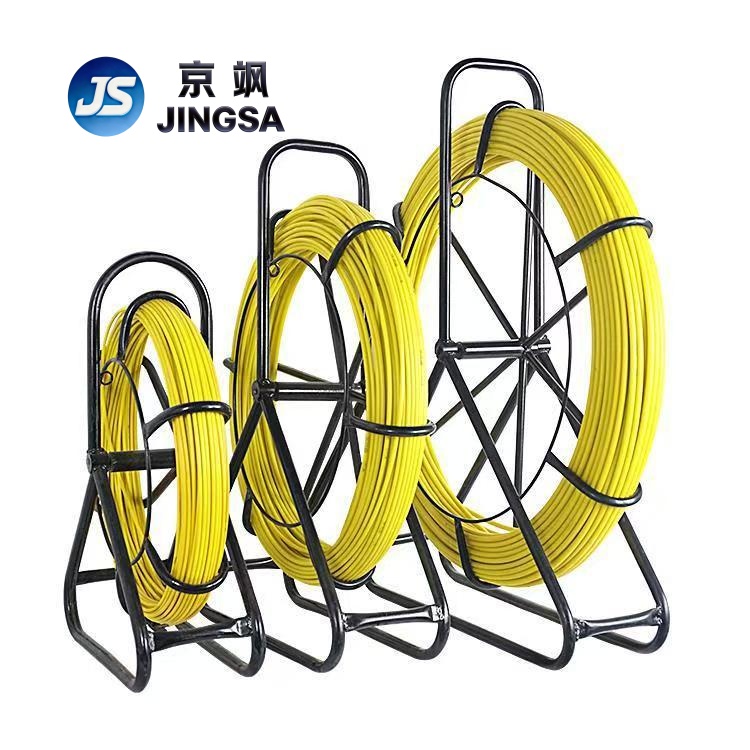
FRP cable rods, made from glass fiber reinforced plastic (FRP) as the core material, are flexible conduit-pulling tools that combine high strength, corrosion resistance, excellent insulation, light weight, and good bending performance. They are essential auxiliary tools in power and communication engineering for solving construction challenges related to cable laying, conduit threading, and wire pulling. These tools are widely applicable to overhead lines, underground conduits, building shafts, and narrow cable trenches, significantly improving cable installation efficiency and safety while effectively reducing labor and equipment costs. 1.Material Properties and Core Value FRP cable rods use a glass fiber reinforced resin matrix, which endows them with a range of properties tailored to the needs of power and communication construction, making them an ideal choice to replace traditional metal pulling tools such as steel wire and iron wire: (1) Electrical Insulation The rod body is non-conductive. When working near high-voltage power lines, operating in proximity to energized equipment, or laying communication cables in the same conduit as power cables, it effectively reduces safety hazards such as short circuits and electric leakage, protecting both personnel and equipment. (2) High Strength and Lightweight Design With excellent tensile strength (common products have a breaking strength of up to 2.5T), it can withstand the pulling loads required for long-distance hauling. At the same time, its overall weight is far lower than that of metal pulling tools, allowing single-person operation. This makes it particularly suitable for construction environments such as elevated towers, underground shafts, and narrow conduits where heavy equipment is difficult to transport. (3) Weather Resistance and Corrosion Resistance It offers excellent resistance to acids, alkalis, ultraviolet radiation, and moisture. Under harsh conditions such as outdoor overhead lines, underground conduits (soil corrosion environments), underground shafts (high-humidity environments), and chemical industrial parks, it does not rust, age, or…
17/06/2026
FRP cable rods (fiberglass cable rods) are non‑metallic conduit‑pulling tools made of glass fiber reinforcement and resin matrix composites. They are widely used in power cable, communication optical cable, and building conduit installation projects. Their core advantages include excellent insulation performance, chemical corrosion resistance, moderate flexibility, light weight, and non‑conductivity. To ensure operational safety, improve pulling efficiency, and extend service life, operators must master proper construction methods and implement routine maintenance procedures. 1. Pre‑operation Preparation and Inspection (1) Visual integrity check Before use, visually inspect the entire length of the cable rod to ensure the surface is smooth and free from cracks, burrs, delamination, or localized bulges. If exposed glass fibers or resin peeling are found, stop using the rod immediately to prevent damage to the cable or optical fiber outer sheath during pulling. (2)End fitting inspection Verify that the front guide head (usually made of copper‑plated metal or engineering plastic) is securely connected to the rod body without looseness or stripped threads. If the rod has a bare end face, smooth it with fine sandpaper to remove any sharp edges that could scratch the cable. (3) Length confirmation Select the appropriate rod length based on the actual conduit path length and number of bends. Common coil lengths include 50 m and 100 m, and custom lengths (shorter or longer) are also available—typical product ranges cover 10 m to 500 m. 2. Standard Pulling Procedure (1) Conduit pre‑cleaning Before pulling, use compressed air or a dedicated pipe cleaner to remove dust, gravel, standing water, and metal burrs from the embedded conduit, ensuring the inner wall is clean and clear. For conduits that have been unused for a long time, it is recommended to first run a cleaning sponge through to verify there is no blockage before formal operation. (2)…